You Won’t Age the Way You Think—Here’s What Actually Slows It Down
As I hit my mid-30s, I started noticing small changes—less energy, slower recovery, a few fine lines that wouldn’t quit. That’s when I realized aging isn’t just about looks; it’s about how well your body resists disease over time. After diving into science-backed habits, I discovered simple daily choices that don’t just make you look younger—they help prevent chronic illness. This is what actually works, no hype, just real results. Aging is not a fixed path. It’s shaped significantly by the choices we make every day, often long before symptoms appear. The good news? You have more control than you think.
The Myth of Aging: It’s Not Just Wrinkles
Aging is often portrayed as a story written on the face—fine lines around the eyes, gray hairs at the temples, a slight droop in the jawline. While these signs are visible and familiar, they represent only the surface of a much deeper biological process. The real story of aging unfolds at the cellular level, where damage accumulates over time, weakening the body’s ability to repair itself and increasing susceptibility to chronic diseases. Wrinkles may be the first clue, but the more critical changes happen silently within.
Many people believe aging is inevitable and entirely genetic, a predetermined path that begins in middle age and accelerates from there. However, modern research in the field of geroscience shows that while genes play a role, lifestyle factors are equally—if not more—influential. Biological aging, the gradual decline in organ function and cellular resilience, can be slowed, stabilized, or even partially reversed through consistent, evidence-based habits. This means that two people of the same chronological age can have vastly different biological ages based on how they’ve lived.
One of the most important shifts in understanding aging is recognizing it as a risk factor for disease. As cells age, they become less efficient at dividing and repairing. Telomeres—the protective caps at the ends of chromosomes—shorten with each cell division. When they become too short, cells enter a state called senescence, where they no longer function properly but also don’t die. These senescent cells release inflammatory molecules that damage nearby tissues, contributing to conditions like type 2 diabetes, heart disease, and neurodegenerative disorders such as Alzheimer’s.
Moreover, aging affects the immune system, reducing its ability to fight infections and increasing the risk of autoimmune reactions. This phenomenon, known as immunosenescence, explains why older adults are more vulnerable to illnesses like pneumonia or have a harder time recovering from surgery. But again, this decline is not uniform across individuals. Studies have shown that people who maintain healthy lifestyles can preserve immune function well into later life, delaying the onset of age-related diseases by decades.
Why Disease Prevention Starts Decades Early
Chronic diseases such as heart disease, diabetes, and certain cancers are often diagnosed in midlife, but their roots typically begin much earlier—sometimes in young adulthood. Research from the Framingham Heart Study and other long-term population tracking projects reveals that lifestyle habits formed in the 20s and 30s have a profound impact on health outcomes in the 50s, 60s, and beyond. This means that waiting until symptoms appear to make changes is often too late to prevent irreversible damage.
For example, atherosclerosis—the buildup of plaque in the arteries—can start as early as the teenage years. Autopsy studies of young soldiers who died in combat have shown early signs of arterial thickening, even in individuals with no known risk factors. Over time, poor diet, lack of physical activity, and chronic stress accelerate this process, leading to restricted blood flow and increased risk of heart attack or stroke. Yet, because the disease progresses silently, most people remain unaware until a major event occurs.
Similarly, insulin resistance, a precursor to type 2 diabetes, often develops gradually over years. It begins with small metabolic shifts—such as weight gain around the abdomen, fatigue after meals, or difficulty losing weight—that are easily dismissed as normal signs of aging. But these are early warnings. When addressed early, through diet and movement, the trajectory can be changed. If ignored, the pancreas eventually struggles to produce enough insulin, leading to full-blown diabetes and its complications, including nerve damage, vision loss, and kidney disease.
The concept of “biological memory” in cells further underscores the importance of early action. Cells retain the effects of past exposures—both positive and negative. For instance, someone who smoked for five years in their 20s may still carry residual inflammation and DNA damage decades later, even after quitting. Conversely, someone who exercised regularly in their youth may maintain better muscle mass and cardiovascular health into older age, even if they become less active later. This demonstrates that every choice leaves a mark, and the cumulative effect of small, consistent habits shapes long-term resilience.
Move It or Lose It: How Daily Motion Keeps Cells Young
Physical activity is one of the most powerful tools for slowing biological aging. It’s not about running marathons or lifting heavy weights—it’s about consistent, regular movement that supports cellular health. Exercise has been shown to protect telomeres, improve mitochondrial function, reduce inflammation, and enhance insulin sensitivity. These benefits occur at the molecular level, meaning that even moderate activity can have a profound impact on how your body ages.
One of the most compelling findings in aging research is the link between physical activity and telomere length. A study published in the journal Preventive Medicine found that adults who engaged in regular moderate-to-vigorous physical activity had significantly longer telomeres than their sedentary peers—equivalent to being biologically up to nine years younger. This effect was independent of body weight, smoking status, and other factors, highlighting the unique role of movement in cellular preservation.
But you don’t need to be an athlete to benefit. Simple daily habits like walking for 30 minutes, taking the stairs, or doing household chores contribute to what researchers call non-exercise activity thermogenesis (NEAT)—the energy expended during everyday movements. These small actions add up, helping to regulate blood sugar, maintain joint mobility, and support cardiovascular health. For women in their 30s and 40s, who may be juggling work, family, and caregiving responsibilities, integrating movement into daily routines is more sustainable than relying on intense workouts.
Strength training is another critical component. As we age, we naturally lose muscle mass—a condition known as sarcopenia—starting as early as age 30. This loss affects metabolism, balance, and overall strength, increasing the risk of falls and frailty. Resistance exercises, even with light weights or bodyweight movements like squats and push-ups, can slow or reverse this decline. The American College of Sports Medicine recommends strength training at least twice a week, focusing on major muscle groups, to maintain functional independence and metabolic health.
Flexibility and balance exercises, such as yoga or tai chi, also play a role in healthy aging. They improve posture, reduce stiffness, and enhance coordination, which becomes increasingly important as reflexes slow with age. These practices also support mental well-being by reducing stress and promoting mindfulness. The key is consistency, not intensity. A 10-minute daily stretch routine or a weekly yoga class can yield measurable benefits over time, especially when started early.
Food as Prevention: What to Eat (and Skip) for Longevity
Diet is a cornerstone of long-term health and one of the most modifiable factors in aging. What you eat directly influences inflammation, oxidative stress, gut health, and metabolic function—all of which affect how quickly your body ages. Unlike fad diets that promise quick fixes, sustainable longevity nutrition focuses on whole, minimally processed foods that provide lasting energy and cellular protection.
Plant-rich eating patterns, such as the Mediterranean diet, have been consistently linked to longer telomeres, reduced risk of chronic disease, and increased lifespan. This dietary approach emphasizes vegetables, fruits, legumes, whole grains, nuts, seeds, and healthy fats like olive oil. These foods are rich in antioxidants, fiber, and phytonutrients that combat free radical damage and support a diverse gut microbiome. The gut, often called the “second brain,” plays a crucial role in immune function, hormone regulation, and even mood stability.
One of the most important dietary strategies for slowing aging is maintaining stable blood sugar levels. Frequent spikes in glucose—caused by consuming refined carbohydrates and sugary foods—lead to insulin resistance over time. This not only increases the risk of diabetes but also accelerates skin aging and promotes fat storage, particularly around the abdomen. Choosing complex carbohydrates with a low glycemic index, such as oats, sweet potatoes, and quinoa, helps regulate energy and reduce metabolic strain.
Healthy fats are another essential component. Omega-3 fatty acids, found in fatty fish, flaxseeds, and walnuts, have anti-inflammatory properties that protect the brain and heart. Monounsaturated fats, like those in avocados and olive oil, support cholesterol balance and vascular health. In contrast, ultra-processed foods—those high in added sugars, refined grains, and unhealthy fats—should be minimized. These foods are linked to increased inflammation, oxidative stress, and faster biological aging, even in younger adults.
Hydration also plays a role. Water is essential for cellular function, digestion, and detoxification. Dehydration can mimic signs of aging, such as dry skin, fatigue, and brain fog. Drinking adequate water throughout the day, along with consuming water-rich foods like cucumbers, tomatoes, and melons, supports overall vitality. While individual needs vary, a general guideline is to aim for clear or pale yellow urine as a sign of proper hydration.
Sleep: The Overlooked Anti-Aging Powerhouse
Sleep is often undervalued in discussions about health, yet it is one of the most powerful anti-aging interventions available. During deep sleep, the body undergoes critical repair processes: cells regenerate, the brain clears out metabolic waste through the glymphatic system, and hormones like growth hormone are released to support tissue repair. Chronic sleep deprivation disrupts these functions, accelerating biological aging and increasing the risk of obesity, depression, and cognitive decline.
Most adults need between seven and nine hours of quality sleep per night, but many fall short due to stress, screen exposure, or poor sleep habits. Even mild, consistent sleep loss—such as getting only six hours per night—can impair glucose metabolism, weaken immune function, and increase inflammation. A study from the University of California, San Francisco found that people who slept less than five hours per night were more likely to have shorter telomeres, suggesting accelerated cellular aging.
Improving sleep hygiene doesn’t require medication or drastic changes. Simple, science-backed strategies can make a significant difference. Establishing a consistent bedtime and wake-up time—even on weekends—helps regulate the body’s internal clock. Reducing exposure to blue light from screens in the evening supports melatonin production, the hormone that signals sleepiness. Creating a relaxing pre-sleep routine, such as reading or gentle stretching, can signal to the body that it’s time to wind down.
The sleep environment also matters. A cool, dark, and quiet room promotes deeper sleep. Using blackout curtains, earplugs, or a white noise machine can help minimize disruptions. Avoiding caffeine and heavy meals in the late afternoon and evening prevents digestive and stimulant interference with sleep onset. For women navigating perimenopause or hormonal shifts, night sweats and insomnia can be common, but lifestyle adjustments—such as layering bedding, managing stress, and staying hydrated—can improve comfort and sleep quality.
Stress, Inflammation, and the Aging Connection
Chronic stress is a silent accelerator of aging. Unlike acute stress, which is temporary and can even be beneficial, chronic stress keeps the body in a constant state of alert, flooding it with cortisol and adrenaline. Over time, this hormonal imbalance leads to increased inflammation, weakened immunity, and damage to blood vessels and brain cells. The result? A higher risk of heart disease, memory problems, and accelerated biological aging.
One of the most well-documented effects of chronic stress is its impact on telomeres. Research by Dr. Elizabeth Blackburn, who won a Nobel Prize for her work on telomeres, found that women with high levels of perceived stress had significantly shorter telomeres—equivalent to at least one decade of additional aging. This effect was most pronounced in those who felt overwhelmed and lacked coping strategies, underscoring the importance of emotional resilience.
The good news is that stress can be managed through accessible, non-invasive techniques. Mindfulness meditation, for example, has been shown to reduce cortisol levels, improve emotional regulation, and even increase telomerase activity—the enzyme that helps rebuild telomeres. Just 10 to 15 minutes of daily practice can lead to measurable changes in stress markers and mental clarity. Apps that guide breathing exercises or body scans can make it easier to get started, especially for beginners.
Controlled breathing is another powerful tool. Techniques like diaphragmatic breathing or box breathing activate the parasympathetic nervous system, which counteracts the “fight-or-flight” response. This helps lower heart rate, reduce blood pressure, and calm the mind. Incorporating a few minutes of deep breathing into morning or evening routines can create a buffer against daily stressors and improve overall emotional balance.
Building Your Longevity Routine: Small Steps, Big Impact
Starting an anti-aging lifestyle doesn’t require overhauling your entire routine overnight. The most effective approach is to build sustainable habits gradually, using the principle of habit stacking—linking new behaviors to existing ones. For example, pairing a short walk with your morning coffee, doing a few stretches after brushing your teeth, or preparing a vegetable-rich meal on the same day you grocery shop. These small actions become easier to maintain when they fit naturally into your daily rhythm.
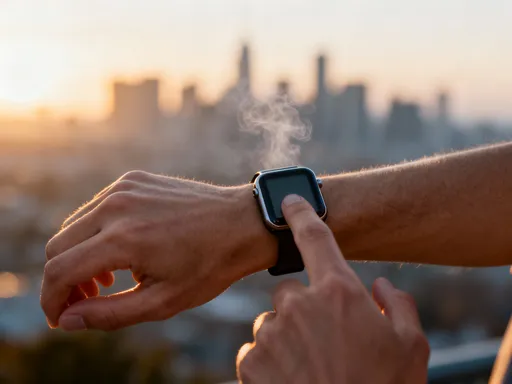
Tracking progress can also boost motivation. Keeping a simple journal to note how you feel—energy levels, sleep quality, mood—can help you recognize the benefits of your efforts. Wearable devices that monitor steps, heart rate, or sleep patterns can provide objective feedback, but they should be used as tools, not sources of stress. The goal is not perfection, but consistency.
It’s also important to consult with healthcare professionals before making significant changes, especially if you have existing health conditions. A primary care provider can help assess your current health status, recommend appropriate screenings, and offer personalized guidance on diet, exercise, and stress management. This collaborative approach ensures that your efforts are safe, effective, and aligned with your individual needs.
Ultimately, anti-aging is not about chasing youth or resisting the natural passage of time. It’s about investing in your long-term health so that you can live with vitality, purpose, and independence. By making informed, consistent choices today, you’re not just adding years to your life—you’re adding life to your years. The habits you build now will shape how well you age, how resilient you remain, and how fully you experience each stage of life. That’s a promise worth keeping.